
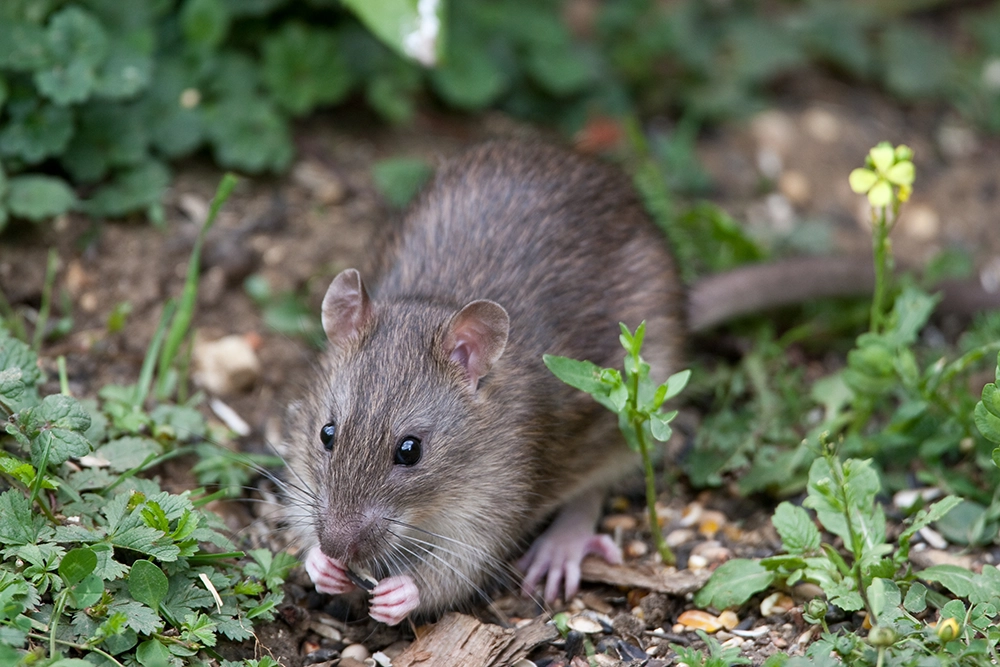
To an extent, rats will eat almost anything. These adaptable rodents aren’t picky eaters, they’ll consume everything from fruits and grains to scraps of meat. This highly flexible diet makes controlling them especially challenging for homeowners across Indiana, Illinois, and Kentucky.
Understanding what rats like to eat is essential for effective pest prevention, whether you’re dealing with a current infestation or trying to keep these unwanted guests away.
What Do Rats Like to Eat in Your Home?
When rats wander into residential areas, it’s usually because they’ve found a reliable food source. Here’s what rats will eat when they invade your space:
| Food Source | Why It Attracts Rats |
| Pet Food | Bowls left out or spilled kibble provide easy meals. |
| Grains & Cereals | Unsealed containers of rice, oats, or cereal are irresistible. |
| Fruits & Vegetables | Spoiled or discarded produce draws rats indoors. |
| Garbage | Uncovered bins or loosely tied bags offer plenty of scraps. |
| Compost | Exposed food waste is a major attractant. |
| Bird Seed | Spilled or poorly stored seed lures rats quickly. |
| Nuts & Seeds | Improperly stored snacks or baking supplies are tempting. |
| Leftovers | Any unsecured food will quickly attract rats. |
What Do Rats Eat in the Wild (and in Your Garden)?
Wild rats are true omnivores, meaning they eat both plants and animals. Common items in a wild rat’s diet include:
- Grains
- Fruits
- Vegetables
- Plant roots
- Seeds
- Nuts
- Insects
- And more
Gardens are also a paradise for hungry rats. If you’re wondering what rats eat in the garden, the answer is: almost everything you’re trying to grow.
Rats are particularly drawn to gardens during harvest season when produce is abundant and easy to access. Common garden targets include: vegetables, fruits, seeds, bulbs, compost piles, bird feeders, and pet food.
But when temperatures drop in the winter, rats become even more resourceful. They rely heavily on stored food, seeds, nuts, and any accessible human food sources. This is why rat activity around homes often increases during colder months, they’re searching for reliable meals when natural food becomes scarce.
What Foods Are Toxic to Rats?
Although rats are highly adaptable eaters, certain foods are dangerous to their health. Items that are harmful to rats include:
- Chocolate: Contains theobromine, which is harmful to their system.
- Sugary Treats: Excess sugar can trigger long-term health problems.
- Processed Foods: High salt and preservatives can be damaging.
- Citrus Fruits: The acidity can upset their digestion.
- Raw Beans: Contain natural toxins unless fully cooked.
- Green Potatoes: Contain solanine, which is poisonous.
- Onions and Garlic: Large amounts can cause health issues.
Important Note: While these foods can harm rats, they should never be used as a sole DIY pest control method. Professional rodent control is always the safest and most effective approach.
How Do Rats Search for Food?
Rats are equipped with sharp senses that help them locate food quickly:
- Their sense of smell is especially powerful, allowing them to detect even small amounts of food from a considerable distance.
- Additionally, rats are skilled at remembering locations where they’ve previously found meals, often returning to the same spots night after night.
- They also rely on their whiskers to navigate in the dark and travel along established pathways to food sources.
This persistence and resourcefulness make rats highly successful scavengers in both wild and urban environments throughout Indiana, Illinois, and Kentucky.
How to Prevent Rats From Accessing Food
Rats are resourceful, but there are several effective steps you can take to keep them away from your food supplies:
- Store food securely. Keep food in airtight containers to block access.
- Clean regularly. Wipe up crumbs and spills promptly to eliminate food traces.
- Seal trash properly. Use tightly lidded garbage cans and empty them often.
- Manage pet food. Avoid leaving pet food out and store it in sealed bins.
- Handle compost carefully. Use closed compost bins and avoid adding cooked food.
- Close off entry points. Seal gaps, cracks, and holes in doors, windows, and walls.
- Inspect your space frequently. Check food storage spaces for activity and consider routine pest control visits.
- Elevate bird feeders. Place feeders high and keep the surrounding area clean.
- Avoid outdoor food. Don’t leave human or pet food outside for long periods.
- Use rat-proof containers. Invest in bins that rodents cannot easily open.
Quick Rat FAQs
Yes. As opportunistic omnivores, rats include insects in their diet as a valuable protein source. This is particularly common in the wild or while scavenging in urban environments.
No, not as food. Rats gnaw on wood to wear down their teeth, mark territory, or collect nesting material, but they don’t rely on it as a nutritional source.
Rats prefer grains, seeds, fruits, and high-protein foods when available. However, they’re opportunistic and will eat whatever is most accessible in their environment.
Rats adjust their diet based on seasonal availability. In spring and summer, they eat more fresh produce and insects. In fall and winter, they rely more heavily on stored grains, nuts, and human food sources.
Protect Your Property From Rats With Action Pest Control
The best way to prevent rat problems is through proper food storage, thorough cleaning, and sealing entry points. So for lasting protection against these persistent pests, partner with Action Pest Control.
We’ve been proudly serving Indiana, Illinois, and Kentucky for over 80 years, delivering proven rodent control solutions that keep your property rat-free.
Ready to take back your home or garden? Contact us today for a free quote!