
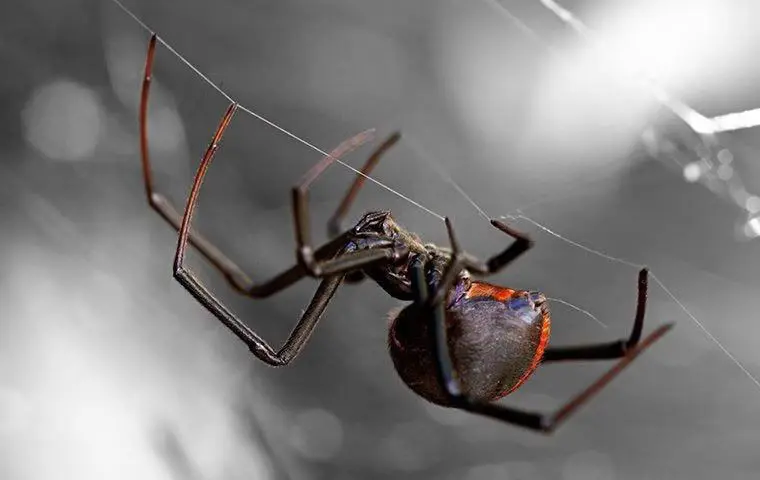
During the transition from fall to winter, spider sightings tend to rise in Indiana, Illinois, and Kentucky homes. Cold weather pushes both spiders and their prey indoors. The main reason is that insects outside either die or become inactive, leaving indoor bugs as a more reliable food source for spiders.
Spiders are drawn to pests such as cluster flies, fungus gnats, and beetles. These insects often move inside for warmth and quickly become a steady food supply. Naturally, spiders follow them wherever they go.
Reproduction also affects spider activity in Indiana, Illinois, and Kentucky. Many spiders mate in the fall and winter, which increases their movement and makes them easier to notice inside homes.
Where Do Spiders Go Besides Indoors in Winter?
Indoor spiders you see during winter are usually not newcomers from outside. Most have been living in your home long before temperatures dropped. The cold simply alters their behavior, making them more active as they hunt for food or search for mates, which is why they’re easier to spot.
Ground-dwelling spiders often spend the winter buried in soil or tucked into cracks in tree bark. Web-building species typically shelter in hollow logs, under loose siding, or in firewood piles, while others create silk-lined retreats that provide insulation from the cold.
Will Spiders Seek Shelter Inside When It’s Cold?
Yes, but not all spiders seek shelter indoors during winter. Many are fully capable of surviving freezing temperatures outside.
These spiders have natural defenses against the cold. Some produce antifreeze-like chemicals in their bodies to protect their cells, while others hide under bark, in leaf litter, or underground, where conditions are more stable. These adaptations allow them to remain dormant until warmer weather arrives.
How Long Are Spiders Dormant During Winter?
Spiders in areas with mild winters may remain dormant only briefly, while those in colder climates can stay inactive for months, typically from late October through early April. This state, often mistaken for hibernation, is actually diapause, during which their metabolism drops, they stop feeding, and movement is minimal.
Shorter daylight hours and falling temperatures push spiders to find stable, protected locations. These can include homes, loose tree bark, rock crevices, and other sheltered outdoor areas where they can survive the winter.
How Do Spiders Survive Cold Weather?
Spiders inside your home survive by hunting the insects around them. Common prey includes fruit flies near sinks, pantry moths, and other small bugs that flourish indoors. As long as food is available, these spiders remain active all winter long.
Spiders outdoors eat much less in winter. They might capture an insect on a warm day, but mostly depend on fat reserves built up in summer and fall. To help keep your home spider-free this season, follow this step-by-step approach:
- Regular Cleaning: Keep a consistent cleaning schedule. Vacuum at least weekly, paying extra attention to baseboards, window frames, and ceiling corners where spiders and their prey often hide.
- Use Natural Repellents: Place natural deterrents in problem areas. Spiders generally avoid strong scents like peppermint, eucalyptus, and citrus, making these safe, effective options.
- Control Moisture: Reduce indoor humidity by using dehumidifiers and fixing any leaks. A drier home discourages both spiders and the insects they feed on.
- Limit Outdoor Lighting: Minimize outdoor lights near windows and doors. Lights attract flying insects, which in turn can lure spiders inside.
- Hire Professionals: Contact professional spider exterminators. They can evaluate your situation and provide a tailored plan to manage spiders effectively.
Expert Winter Spider Removal in Indiana, Illinois, and Kentucky
Spiders can become a serious nuisance during the winter months in Indiana, Illinois, and Kentucky. Reaching out to trained pest control professionals ensures infestations are handled quickly and humanely, with methods that are safe for your family and pets. Acting early can save you from larger, more complicated problems.
At Action Pest Control, we offer a full-service approach to spider control, combining effective removal with preventative measures. Our experts also provide guidance and ongoing support to protect your home from future spider activity.
Reach out to Action Pest Control and receive your service quote today!


