Pest Exclusion – Key Takeaways
- The exclusion process involves sealing off weak spots and access points that allow entry.
- Rodents, pests, and wildlife may always be outside, but exclusion keeps them from invading your home.
- It’s an affordable, eco-focused method with long-term benefits.
You can’t control the pests roaming outside, but you can prevent them from entering your home, especially in places like Indiana, Illinois and Kentucky where pest activity is high. Even small openings can provide easy access for rodents, insects, and wildlife. Exclusion works by sealing cracks, gaps, and other openings that pests use to get inside.
Once these areas are secured, your home becomes much safer. This proactive approach not only protects your property but also reduces the need for repeated chemical treatments. When handled by trained technicians from Action Pest Control, this method remains eco-friendly, budget-conscious, and provides long-term protection.
What Does Pest Exclusion Really Mean?
Pest exclusion takes a proactive stance by keeping rodents, insects, and wildlife from gaining entry in the first place. Taking action early helps stop infestations before they become costly or hazardous. It targets the cracks, gaps, and other weak points pests rely on to get inside.
By closing these entry points and reinforcing structural vulnerabilities, your home becomes far less inviting to pests. This strategy also helps maintain the integrity of your home while preventing potential property damage. It reduces chemical use, saves money over time, and contributes to a healthier living environment.
What is the Purpose Behind Exclusion?
You can’t stop wildlife and pests from wandering through your yard because they’re naturally part of the environment. They are constantly seeking food, water, and shelter, making residential areas appealing. The real danger begins when they manage to get inside your home, where infestations and property damage can occur.
Pest exclusion is a professional method to prevent this from happening and keep them outdoors. Fortifying weak areas in your home creates a year-round protective barrier, keeping both your family and your possessions safe from pests.
What Techniques Are Involved in Professional Exclusion?
Pest exclusion targets weak points in your home’s structure and seals entry points to stop infestations before they start. At Action Pest Control, we rely on trusted materials to keep your home protected for the long haul. Common techniques for pest, wildlife, and rodent exclusion include:
- Using Gnaw-Proof Materials: Pack rodent holes with steel wool or copper mesh before sealing with foam or caulk, as rodents cannot chew through metal.
- Mending Screens: Repair or replace any torn or damaged screens on windows and doors to keep pests out.
- Securing Vents and Openings: Cover attic vents, crawl space vents, and chimney flues with durable hardware cloth (1/4-inch mesh or smaller) or install chimney caps for protection.
- Repairing Weatherstripping: Replace worn or damaged weatherstripping around doors and windows to create a tight, airtight seal.
- Installing Door Sweeps: Attach sweeps to the bottom of exterior doors to close the gap between the door and the threshold.
- Sealing Foundation and Walls: Use caulk or sealant to fill cracks and gaps in the foundation, siding, and around utility lines such as pipes, wires, or vents.
- Guarding Pipes: Install escutcheon plates (metal rings) around oversized gaps near pipes under sinks and behind appliances to block pest entry.
Can Pest Exclusion Prevent Every Type of Pest?
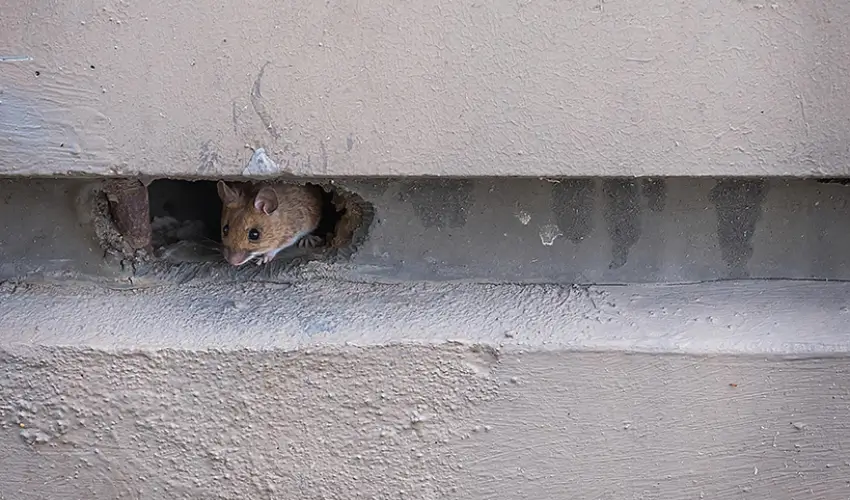
Yes, exclusion is an effective method for keeping pests of all sizes out of your home, from minuscule ants to larger rodents, birds, and wildlife. Even minor openings can create a gateway for infestations if left unsealed. Mice, for instance, can squeeze through spaces as small as a dime and will chew to enlarge gaps if needed.
Protecting your home starts with identifying the pests you encounter most and targeting the areas they use to enter. By focusing on these entry points, you reduce the chance of recurring infestations. For example, if ants are frequent visitors, check for tiny cracks around doors, windows, and foundations, and seal them carefully with caulk or a similar material.
Should Homeowners Consider Pest Exclusion?
Without a doubt. While exclusion takes some upfront effort, it saves you time, money, and stress in the long run. Even tiny holes can provide entry for creatures such as squirrels. Consider the advantages of putting exclusion into practice:
- Provides Peace of Mind: Enjoy the confidence of knowing your home is well-protected and fortified against unwanted pests for the long term.
- Increases Energy Efficiency: Sealing cracks and gaps not only blocks pests but also prevents air leaks, helping to reduce your heating and cooling costs.
- Improves Health & Safety: Keeping pests out helps limit the spread of disease, reduce allergy triggers, and safeguard your food from contamination.
- Cost-Effective: While there is an upfront investment, exclusion saves money over time by preventing costly pest damage, such as chewed wires or ruined insulation, and reduces the need for repeated treatments.
- Reduces Chemical Use: By relying on physical barriers instead of pesticides, this method is safer for your family and pets while remaining environmentally responsible.
- Long-Term Prevention: Exclusion takes a proactive, lasting approach to stop infestations before they start, lowering the need for rodent and wildlife removal services.
Should You Try Pest Exclusion Without a Professional?
Yes, DIY exclusion can be a useful starting point in many situations, particularly for small pest issues or preventive work. Knowing how pests behave and where they like to enter your home empowers you to take more effective action. Early intervention can stop infestations before they grow out of control.
If your DIY attempts aren’t enough, or if the situation involves dangerous or stubborn pests, professional exclusion is highly recommended. Professionals have the knowledge and equipment to deal with challenging infestations safely.
At Action Pest Control, we provide a comprehensive inspection to locate hidden gaps and vulnerabilities that may be missed during a DIY attempt. Our team ensures every potential entry point is addressed to protect your home long-term.
Expert Pest and Wildlife Exclusion in Indiana, Illinois and Kentucky
Bugs and wildlife can bite, spread disease, contaminate food, damage belongings, and even weaken your home’s structure, leaving you uncomfortable in your own space. Homeowners deserve full protection and shouldn’t have to settle for anything less than complete exclusion.
For residents of Indiana, Illinois and Kentucky, hiring a professional is often the most reliable way to achieve this level of protection. At Action Pest Control, our skilled specialists create comprehensive, year-round barriers that keep pests and wildlife out for good.
Contact Action Pest Control today to learn why homeowners count on us for effective pest, rodent, and wildlife exclusion.