
Key Takeaways:
- Seal all cracks, gaps, and holes larger than a dime to block physical entry for rodents and insects.
- Maintain a rigorous cleaning schedule to eliminate the crumbs, grease, and spills that serve as primary food sources.
- Fix leaky pipes and scrub drains regularly to remove the standing water and organic buildup pests need to survive.
- Keep all indoor and outdoor trash bins tightly sealed and positioned away from guest entrances.
- Trim all shrubs and branches so they do not touch the building, eliminating “bridges” that pests use to climb inside.
- Train staff to identify early warning signs in “hot spots” like headboards, floor mats, and storage areas.
- Establish pest prevention protocols with pest control professionals.
Unfortunately, pests are extremely common in hotels, motels, resorts, and other types of lodging establishments. Worse still, even a single sighting can lead to unhappy customers and negative online reviews.
If you operate a hotel or other type of hospitality business, it’s crucial to know about the most common pest threats, so you can be prepared to address issues quickly when they happen. Don’t let a minor issue turn into a major problem that causes long-term damage to your reputation.
Watch out for these ten most common pests in hospitality businesses like yours:
- Rodents (especially mice and rats)
- Flies
- Bed bugs
- Cockroaches
- Mosquitoes
- Spiders
- Ants
- Birds
- Stinging insects
- Fleas
Tips to Help Prevent the 10 Most Common Hospitality Industry Pests
Pests are a challenge for any hospitality business. The stakes are high – a single sighting can lead to upset customers, negative reviews, tarnished reputations, and worse. At the same time, hotels, motels, resorts, and lodges are especially susceptible to pests.
With that in mind, here’s a quick guide to how you can prevent some of the most common hotel pests:
#1) Rodents
Hotels and other hospitality businesses are prime locations for rats and mice, as these rodents thrive in areas with high human traffic. They are drawn to the reliable access to food and water that people leave behind, as well as the warm, indoor shelter our buildings offer.
Tips to Prevent Rodents in Hotels and Hospitality Businesses:
- Block Access: Stay on top of exclusion by eliminating access to any indoor structures. Seal any cracks, gaps, holes, or crevices so that rodents remain on the outside. Mice can enter openings as small as ¼” or approximately the diameter of a dime. Rats need a space about the size of a quarter.
- Secure Dumpsters: Keep dumpster areas as tidy as possible. Keep lids on dumpsters and other exterior trash receptacles.
- Keep Eating and Food Prep Areas Clean: Manage exterior eating areas appropriately to quickly remove food crumbs and spills. Promptly take dirty dishes and food service items away for cleaning or disposal. These procedures will also help minimize issues with another vertebrate pest, birds.
- Review Your Pest Control Team’s Rodent Prevention Plan, ensure that your property is inspected for new rodent incursions and new opportunities to install exclusion methods.
#2) Flies
Though small, flies pose a significant threat to the hospitality industry. They not only irritate guests but also act as carriers for harmful bacteria. Hotels must be vigilant for various fly species, such as house flies, fruit flies, drain flies, and horseflies.
Tips to Prevent Flies in Hotels and Hospitality Businesses:
- Scrub Drains: Clean floor drains regularly to remove organic buildup and use insect-blocking caps to stop flies from emerging.
- Dry Floors Fast: Use fans to dry kitchen floors and cracks. Always lift floor mats after cleaning to prevent damp breeding grounds.
- Sanitize Bins: Empty recycling frequently to remove sugary residue. Keep dumpsters and their pads clean, and ask your waste hauler for regular bin swaps.
- Clean Mops: Thoroughly wring out mops and store them on wall racks; sour, damp mops are major fly magnets.
- Deep Clean Hidden Spots: Scour garbage disposals (including screens) and inspect elevator pits annually for grime.
- Seal the Building: Keep doors closed and ensure weather stripping is tight. If doors stay open for air, install mesh screens.
- Check Vents: Ensure all ventilation points are properly screened to exclude pests.
- Stay Updated on New Fly Prevention Measures: ask a pest control professional for the latest fly-catching technology.
#3) Bed Bugs
Bed bugs pose a significant threat to hospitality businesses due to their devastating impact and ease of spread. It is essential to implement every possible preventative measure, as unmanaged bed bug issues can even result in legal complications.
Tips to Prevent Bed Bugs in Hotels and Hospitality Businesses
- Train Your Staff for Early Detection: Educate staff to spot bed bugs in “hot spots” like headboards, mattresses, box springs, and upholstered furniture.
- Contain Infested Items: Always bag or wrap linens before removing them from a room to prevent spreading bugs to hallways or other areas.
- Formalize Policy: Establish clear procedures for handling guest complaints, room transfers, and “out-of-service” durations to ensure staff respond consistently.
- Vacuum and Steam Safely: Use vacuums to remove bugs, immediately sealing the contents in a bag. Use professional-grade steamers only after specific training to ensure they kill pests effectively.
- Partner with Professional Bed Bug Exterminators: Work with a commercial bed bug control company to implement proactive monitoring traps and evaluate treatment effectiveness.
#4) Cockroaches
Roaches often cause a visceral reaction of disgust in people. This is an instinctual reaction, as cockroaches (including American cockroaches and German cockroaches, two of the most common species found in Indiana, Illinois and Kentucky) carry numerous dangerous bacteria that can make people sick.
That risk of contamination makes cockroach prevention a priority anywhere – especially hotels and hospitality businesses.
Tips to Prevent Cockroaches in Hotels and Hospitality Businesses
- Eliminate Food Sources: Meticulously clean grease, crumbs, and spills, especially under appliances. Store all food in airtight containers and never leave it out overnight.
- Manage Waste: Use trash cans with tight-fitting lids and empty them frequently. Keep outdoor dumpsters clean, closed, and positioned away from the building.
- Cut Off Water: Repair leaky pipes, faucets, and drains immediately. Eliminate standing water in bathrooms and under sinks to remove their hydration source.
- Seal Entry Points: Inspect for cracks around pipes, windows, and doors. Use caulk or weatherstripping to block these physical gaps.
- Screen Deliveries: Thoroughly check all incoming inventory and boxes before they enter the facility to catch any “hitchhiking” roaches from suppliers.
#5) Mosquitoes
Mosquitoes reproduce quickly during the spring and summer, particularly near water features on your property or adjacent areas. Fortunately, some basic prevention measures can reduce mosquito populations, even during peak season.
Tips to Prevent Mosquitoes in Hotels and Hospitality Businesses
- Drain Standing Water: Regularly empty and clean buckets, planters, or any items that collect stagnant water to kill breeding grounds.
- Treat Water Features: Keep decorative ponds moving with fountains or aerators. Use mosquito-eating fish or EPA-registered larvicides for extra protection.
- Clear the Gutters: De-clog gutters frequently to prevent trapped water, especially before the wet season begins.
- Investigate New Mosquito Repellent Options: Request a mosquito control inspection to uncover new methods to keep pool areas and patios clear of pests.
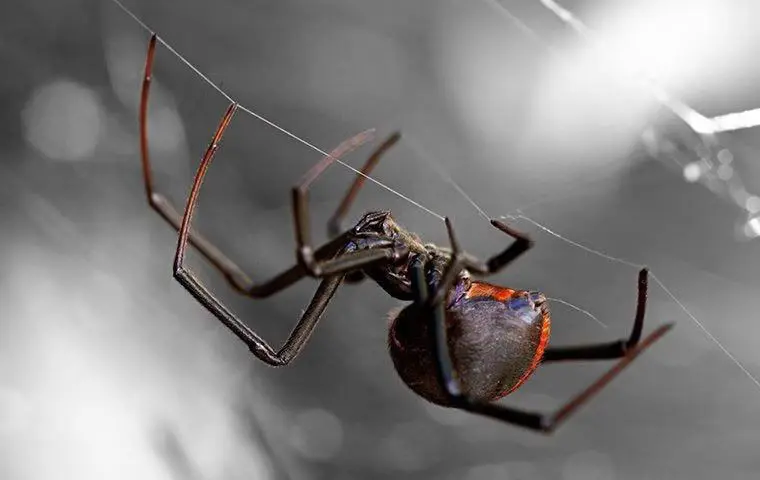
#6) Spiders
Spiders are typically considered a secondary infestation in hotels, resorts, and other lodging businesses. Their presence often indicates a primary infestation (such as ants, flies, or cockroaches) that serves as their main food source. Therefore, one of the most crucial steps for spider prevention is to eliminate that underlying primary infestation.
Tips to Prevent Spiders in Hotels and Hospitality Businesses
- Target the Food Source: Spiders stay where the food is. By eliminating primary pests like ants, flies, or roaches, you remove their reason to move in.
- Optimize Exterior Lighting: Swap standard outdoor bulbs for yellow or sodium vapor lights, which are less attractive to the insects spiders hunt.
- Clean the Crevices: Vacuum and sweep corners, window sills, and under furniture regularly to remove webs, egg sacs, and insect debris.
- Buffer the Perimeter: Trim shrubs, vines, and ground cover away from exterior walls to eliminate the “green bridges” spiders use to enter the building.
#7) Ants
Just like in a home, an ant infestation in a hotel usually signals that the pests have discovered a necessary resource. In hospitality settings, this valuable resource is most often a dependable food source, which is why the ants have made your business their location.
Tips to Prevent Ants in Hotels and Hospitality Businesses
- Seal Food Tightly: Store all food — especially sweets — in airtight containers. Clean spills immediately and use trash cans with tight-fitting lids.
- Dry Out Damp Spots: Fix leaky pipes and drains promptly. Ensure basements and under-sink areas are well-ventilated to eliminate the standing water ants crave.
- Deep Clean Daily: Maintain a rigorous cleaning schedule for kitchens and pantries. Focus on hidden crumbs under appliances and inside cabinets.
- Maintain a “No-Touch” Zone: Keep the building exterior clear of debris and standing water. Trim branches and shrubs so they don’t create “bridges” to your walls.
#8) Birds
Birds nesting or roosting near your hotel can lead to significant problems for guests. They are a source of disruptive noise, which interferes with relaxation. Furthermore, birds pose a health risk by spreading germs and bacteria, and their presence can cause considerable property damage.
Tips to Prevent Birds in Hotels and Hospitality Businesses
- Use Visual Deterrents: Install reflective bird tape or visual “scare” devices like plastic owls and hawks to frighten birds away.
- Secure Food Waste: Keep all trash receptacles tightly closed and dispose of food scraps immediately to remove the primary attraction.
- Trim Nesting Sites: Cut back trees and dense vegetation near the building to eliminate sheltered spots where birds like to roost.
- Remove Scent Cues: Regularly clean up droppings and nesting materials to prevent scent markers from attracting more birds to the area.
- Consider Physical Barriers: Schedule a bird control inspection for long lasting pest bird deterrents to learn about the latest in bird deterrent techniques.
#9) Stinging Insects
Nesting wasps and hornets pose an immediate and serious risk to hotel guests and staff. Stinging insects are not just a nuisance; their presence is a significant danger, especially to those with allergies. Therefore, proactive prevention is an absolute necessity.
Tips to Prevent Stinging Insects in Hotels and Hospitality Businesses
- Audit the Exterior: Regularly check eaves, attics, and wall voids for nests. If you find one, always call a professional rather than attempting removal yourself.
- Seal Entry Points: Close off cracks, crevices, and holes in the building’s exterior to prevent insects from nesting inside walls.
- Control Sugary Rewards: Use tight-fitting lids on trash bins and clean up spilled soda or food immediately, as sugar is a major draw for wasps and bees.
- Manage Outdoor Risks: Don’t leave pet food or standing water outside. Consider planting natural repellents like mint or citronella away from guest areas.
#10) Fleas
Fleas are a significant challenge to eradicate in a large hotel due to their resilience and ability to cause irritating bites, and they are difficult to detect. Therefore, prevention is paramount. Should an infestation occur, partnering with a commercial flea extermination specialist is highly recommended.
Tips to Prevent Fleas in Hotels and Hospitality Businesses
- Vacuum Deeply: Regularly vacuum carpets, rugs, and upholstery, focusing on cracks and crevices. Immediately dispose of vacuum bags in outdoor bins to prevent re-infestation.
- Maintain Landscaping: Keep lawns mowed and bushes trimmed, especially near entryways and pet relief areas, to eliminate flea habitats.
- Heat-Treat Linens: Inspect bedding thoroughly and wash all linens in hot water, drying them on the highest heat setting to kill eggs and larvae.
- Manage Pets & Wildlife: If pets are allowed, require proof of flea prevention. Seal building cracks and holes to stop rodents — which often carry fleas — from entering.
Need Help with Hospitality Industry Pest Control? Call Us
In the hospitality industry, pests are common, but never tolerated. A single sighting can instantly damage your reputation and lead to costly negative reviews. While the tips above are vital for daily maintenance, true peace of mind comes from a professional shield.
If you’re struggling with persistent issues or want to ensure they never start, call a hospitality industry pest management company. We specialize in implementing custom prevention strategies tailored to your property, and we’re always ready to step in if a problem arises.
Contact us today to schedule a site evaluation and keep your guest experience flawless.