
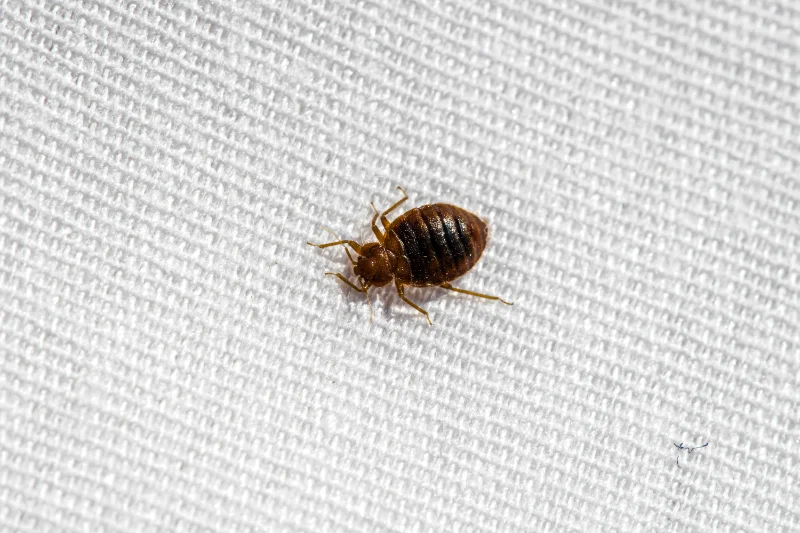
Finding bed bugs in a hospital or healthcare setting creates an urgent, stressful situation. You’re dealing with vulnerable patients, strict regulations, and the constant worry about your facility’s reputation.
As commercial bed bug experts serving healthcare facilities across Indiana, Kentucky, and Illinois, we understand the unique challenges you face. Your facility operates around the clock, making treatment scheduling complicated. And the stakes are higher: a bed bug problem can affect patient outcomes, staff morale, and your facility’s standing with regulators.
You need bed bug exterminators for healthcare who understand medical equipment sensitivities, patient privacy concerns, and the regulatory environment you operate in. At Action Pest Control, we’ve developed hospital bed bug control protocols specifically designed for the unique demands of medical environments.
What Happens to Patients During Bed Bug Treatment?
When bed bugs are discovered in a patient room, what do you do with the people who were staying there? How do you handle treatment without disrupting care or causing distress to vulnerable individuals? With proper planning, patient transfers during bed bug treatment can be handled smoothly.
When bed bugs are confirmed in a patient room, the affected patient should be bathed or showered if possible, given fresh clothes, and transferred to a clean room. This process removes any bugs that might be hitchhiking on the patient’s body or clothing, preventing spread to new areas of your facility.
The key is planning ahead. Facilities that have established protocols for managing bed bugs in hospitals handle incidents far better than those caught off guard.
How to Treat for Bed Bugs Around Medically Fragile Patients
One of the biggest concerns we hear from healthcare professionals involves treatment for vulnerable populations. Many patients in hospitals and nursing homes have compromised immune systems, respiratory conditions, or sensitivities that make traditional pest control approaches problematic.
We at Action Pest Control evaluate each situation individually, taking into account the specific patient population, room configurations, and medical equipment present.
Our team also understands the importance of protecting sensitive medical equipment. Bed bugs can hide inside monitors, IV pumps, and other devices that are expensive to replace and critical for patient care. We know how to inspect and treat around this equipment without causing damage or contamination.
We use products and methods approved for healthcare environments, and we coordinate closely with your infection control team to make sure our treatments align with your facility’s protocols. Heat treatments, targeted applications, and mechanical removal all play a role in our healthcare-specific approach.
What Should Be Included in Bed Bug Protocols?
Having clear, documented procedures in place before bed bugs appear makes all the difference in how smoothly your facility handles an incident. Key components should include:
Designated Responsibilities and Authority
Every facility needs at least one person or department clearly responsible for coordinating bed bug response. This might be your infection control coordinator, environmental services director, facilities manager, or another designated authority. What matters most is that everyone in your organization knows exactly who to contact when bed bugs are suspected.
A Clear Reporting System
Your bed bug protocol needs to make reporting easy and non-punitive. Staff members who discover potential bed bug activity should feel confident about speaking up immediately, without fear of blame or extra paperwork burden.
Established Inspection Procedures
Regular, systematic inspections catch problems early, when they’re easiest and least expensive to address. Your bed bug protocol should outline exactly what gets inspected, how often, and by whom.
Patient Transfer Procedures
When bed bugs are confirmed in a patient room, you’ll need to move quickly while still following proper procedures. Your protocol should outline step-by-step instructions for transferring affected patients to clean rooms.
Standards for Room Preparation and Containment
Once a patient has been transferred, the infested room needs immediate attention to prevent spread. Your protocol should detail exactly how to prepare the room for professional treatment and how to contain the problem in the meantime.
Bed Bug Infestations in Nursing Homes
While bed bugs in a hospital often get immediate attention due to acute care demands, nursing homes and long-term care facilities face their own set of challenges. Unfortunately, many nursing homes struggle with bed bug problems that go unaddressed for too long.
Why does this happen? Several factors come into play:
- Budget constraints and staff shortages mean facilities may lack resources for proper pest management programs. When every dollar matters and employees are stretched thin, pest control can slip down the priority list until a small problem becomes a major infestation.
- Vulnerable residents may not speak up about bed bug bites. Cognitive impairments, communication difficulties, or fear of being seen as complainers can prevent residents from reporting problems. Staff members must be trained to recognize signs of bed bug activity during routine care, since residents may not be able to advocate for themselves.
- Inadequate protocols and training leave many facilities unprepared to respond effectively when bed bugs are discovered. Without clear procedures, staff members may not know who to notify, how to contain the problem, or what steps to take to protect other residents. Underreporting and lack of oversight allow problems to persist.
- Some facilities may be reluctant to document bed bug incidents, fearing regulatory scrutiny or reputation damage. This approach backfires in the long run, as untreated infestations only grow worse.
How to Prevent Bed Bugs From Spreading Within Your Facility
Once bed bugs are identified in one area of your healthcare facility, preventing spread becomes the top priority. These pests are expert hitchhikers, traveling on clothing, linens, wheelchairs, and equipment throughout your building.
- Sealing potential access points between rooms is an important step. Gaps where plumbing penetrates walls, spaces around electrical outlets, and openings near cable and phone connections can all serve as highways for bed bugs moving between patient rooms.
- Regular inspections of common areas play a crucial role in healthcare bed bug control. Waiting rooms, visitor lounges, laundry facilities, and break rooms can all harbor bed bugs. Equipment that moves throughout your facility (wheelchairs, food carts, medication carts, and portable medical devices) should be included in your inspection routine.
- Staff training matters enormously. When every employee knows what bed bugs look like and understands the importance of immediate reporting, problems get caught early. Early detection is the single most important factor in how to manage bed bugs in hospitals successfully.
Action Pest Control’s Approach to Bed Bug Control
- At Action Pest Control, we start by getting to know your facility inside and out. Every healthcare environment has unique characteristics: patient populations, building layouts, operational schedules, and regulatory requirements all differ. So we develop customized bed bug management plans that address your specific situation.
- Our initial inspection identifies current activity levels, potential harborage areas, and structural vulnerabilities that could contribute to future problems. We help you build defenses against tomorrow’s challenges.
- Clear communication keeps you informed throughout the process. You’ll know exactly what we’re doing, why we’re doing it, and what results to expect. Our detailed reporting helps you maintain compliance and provides documentation for your records.
- Our team responds quickly to bed bug reports, minimizing the time between discovery and resolution. And we work around your schedule, not the other way around. Whether you need evening treatments to avoid disrupting daytime operations or weekend service to work around patient activities, we accommodate your needs.
Find Out Why Healthcare Facilities Choose Action Pest Control
If you’re dealing with bed bugs in a hospital, nursing home, or other healthcare setting (or if you want to establish prevention protocols before problems arise), we’re here to help.
Our team has helped hospitals, nursing homes, rehabilitation centers, and outpatient clinics throughout Indiana, Kentucky, and Illinois address bed bug challenges effectively and discreetly. We bring decades of combined experience specifically in healthcare bed bug control, and we stay current on the latest treatment methods and industry best practices.
Contact Action Pest Control today for a free, no-obligation consultation. Together, we’ll create a bed bug management strategy that protects your patients, supports your staff, and maintains the reputation you’ve worked so hard to build.