Key Takeaways
- Maintaining a pest-free environment is a regulatory requirement for all food processing facilities; non-compliance can result in operational shutdowns.
- Early detection of an infestation—evidenced by physical signs or unusual smells—is critical, as proactive intervention significantly reduces the scope and complexity of remediation.
- An understanding of the signs of various pest species is essential for developing targeted, effective treatment protocols.
- A robust defense strategy means comprehensive employee training and collaboration with pest management experts. They can teach your staff to identify and mitigate underlying structural vulnerabilities that facilitate pest entry and harborage.
How to Spot Pests in Your Food Processing Business
Does the risk of a pest infestation in your food processing facility keep you up at night? It’s understandable – pests pose a significant threat, capable of spreading pathogens, causing costly property damage, and leading to production shutdowns. Plus, food processing environments are inherently attractive to pests, offering a combination of food sources, moisture, and harborage necessary for an infestation to develop and spread rapidly.
This article outlines key ways to help you identify a pest infestation within your facility. Let’s begin with a summary of the evidence that you should be looking for. The presence of any of the following indicators strongly suggests an active infestation:
- Droppings
- Gnaw marks on packaging, structures, or wiring
- Nests made of shredded paper, fabric, or insulation
- Unusual odors or persistent musty smells
- Damaged or compromised food containers
- Grease marks or dark “rub tracks” along walls and floorboards
- Live or dead insects and rodents
- Discarded wings or molted skins
- Holes or burrows in floors, walls, or surrounding grounds
- Scratched or scurrying noises behind walls or in ceilings
- Piles of fine sawdust or wood shavings
- Small tracks or footprints in dusty areas
Listen Now for Pest Identification Tips
Action Pest Control’s podcast hosts discuss the key points in identifying a pest infestation early. For more information, check out our video guide here!
Dive Deeper – How to Tell What Kind of Pest Is in Your Food Processing Facility
One of the most effective ways to prevent pest infestations is to know what signs to look for and to train your staff to be vigilant as well. If any of these signs are spotted, it’s crucial to act immediately.
Below, we’ve broken down the types of pests that may be in your food processing facility based on the evidence they leave behind.
Stored Product Pests (Moths, Weevils, Beetles)
Stored product pests are a diverse group of insects, including various species of moths (like the Indianmeal moth), weevils (like the rice weevil), and beetles (like the sawtoothed grain beetle). These pests infest dried food products such as grains, flours, cereals, dried fruits, nuts, and spices.
To identify their presence, look for the following clear signs:
- Infested Products: The most direct sign is finding live or dead insects, larvae, or pupae within food packaging or bulk ingredients.
- Holes in Packaging: Some pests chew small, pin-sized holes in bags, boxes, or wrappers to enter or exit.
- Dust or Frass: Fine, powdery dust created by the pests chewing on the product is often visible at the bottom of containers or on shelving.
- Webbing: Look for silken strands or webbing found directly on products, inside boxes, under shelves, or in corners close to food sources.
Rodents and Nuisance Wildlife
Rats and mice and nuisance wildlife (like raccoons, opossums, and squirrels) pose a significant and dangerous threat to food processing facilities. These pests can contaminate large amounts of food, damage property and equipment, and introduce disease-carrying parasites.
Here are the key signs that indicate a rodent or nuisance wildlife infestation:
- Droppings: The size of the droppings helps identify the pest. Mouse droppings are small, similar in size and shape to a grain of rice. Rat droppings are pellet-shaped, typically about ½” to ¾” long. Larger wildlife, such as raccoons and opossums, will leave larger droppings.
- Gnawing Damage: Look for damage to furniture, structural elements, and equipment.
- Movement Patterns (Tracks/Trails): Evidence of high-traffic areas, such as tracks, streaks, or grooves on surfaces.
- Greasy Smudge Marks: In areas with heavy rodent activity, oily or greasy marks may be visible on walls or floorboards.
- Unusual Sounds: Listen for scratching or rustling noises originating from behind walls or in ceilings.
- Sanitation Issues: Signs of disturbed or tipped-over garbage and trash bins.
Insects
You may notice the signs listed below and know you’re dealing with some kind of pest — but which one? If you observe any of the following indicators, watch closely for live insects or other pests:
- Packaging Damage: Holes, tears, or other damage to food containers.
- Biological Remains: Shed skins or exoskeletons found on floors, shelving, or window sills.
- Discarded Wings: May point to the presence of either termites or ants.
- Contaminated Areas: Infested food discovered in break rooms or kitchen areas.
- Odors: Unusual, sharp, or musty smells (often associated with cockroaches and some ant species).
- Early Life Stages: Finding eggs, larvae, or pupae (common for most insect types).
Termites and Wood-Destroying Insects
Wood-damaging pests, such as termites, carpenter ants, and powderpost beetles, pose a significant risk to your facility’s structural integrity. These pests can leave subtle signs of activity that, if ignored, quickly result in expensive repairs and potential safety hazards.
Look for these clear indicators of a wood-damaging pest issue:
- Discarded Wings: Piles of small, translucent wings, often found near windows or light fixtures, are a key early sign of a termite swarm.
- Frass (Wood-Boring Dust): This fine, powdery, sawdust-like material (which is insect excrement) near wood components is a definitive sign of termites or powderpost beetles.
- Damaged or Soft Wood: Wood that feels hollow when tapped, or appears splintered, cracked, or darkened, suggests internal damage.
- Galleries or Tunnels: The presence of carved-out tunnels within the wood, visible upon accessing a damaged area, confirms activity by either carpenter ants or termites.
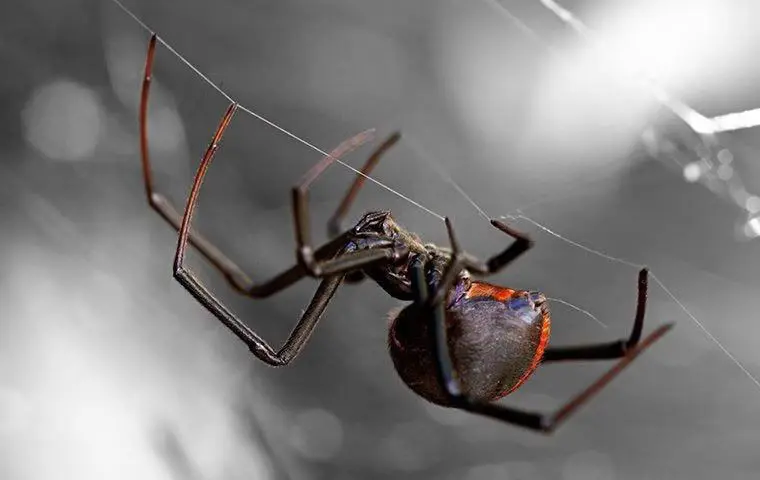
Spiders
Spiders in a food processing facility are typically considered a nuisance rather than a direct food contaminator, as they prey on other insects and do not infest food products like stored product pests. However, their presence is a critical sign of a secondary issue: a large population of other insects serving as their food source.
To confirm their presence, look for:
- Webs: Locate webs near common entry points and light sources, such as windows, light fixtures, and doors. (The presence of webs is a clear indicator of a secondary infestation of other insects, which the spiders are feeding on).
Birds
Birds, such as pigeons, sparrows, and starlings, are common pests that pose a significant sanitation risk in and around food processing facilities. Their droppings can contaminate raw ingredients, finished products, equipment, and work surfaces. Bird nests can also block ventilation systems and harbor other pests, like mites and insects.
Look for the following signs to clearly identify their presence:
- Droppings: These are typically white and chalky and accumulate on ledges, windowsills, equipment, or on the ground below favored roosting spots.
- Nesting Materials: Evidence of twigs, straw, or other debris can be found in eaves, on roof structures, near ventilation units, or inside the facility if birds have gained access.
- Feathers: Loose feathers may be present around the facility, especially near entry points or roosting areas.
- Damage: Birds often cause damage to insulation, light fixtures, or machinery through pecking or nesting activity.
- Noise: Birds are noisy. Listen for persistent cooing, chirping, or flapping sounds, particularly in the early morning or evening.

Can Pests Shut Down a Food Production Facility?
Yes, a severe infestation can easily shut down a food processing facility. While it may represent a big setback to your business, it’s the right call for many reasons, including the danger of customers consuming contaminated products and employees working with compromised equipment.
How to Protect Your Food Production Facility from Pests
In the food processing industry, you need a reliable partner for proactive protection and regulatory compliance. Action Pest Control technicians are experts in federal food manufacturing guidelines, local health codes, and food safety regulations.
Our commercial pest management experts understand the critical importance of complying with agencies like the FDA and USDA. We can identify the specific structural or sanitation issues that increase your facility’s risk of infestation. Our approach goes beyond treating current problems; we pinpoint the underlying conditions that attract pests and recommend the necessary corrective actions to secure your facility.
Look out for early warning signs, and if you need expert assistance, contact us today for a free on-site inspection.