Call: 877-420-0849
Call: 877-420-0849

Prevent Stored Product Pests from Spreading Through Your Commercial Facility

Serving Indiana, Illinois & Kentucky

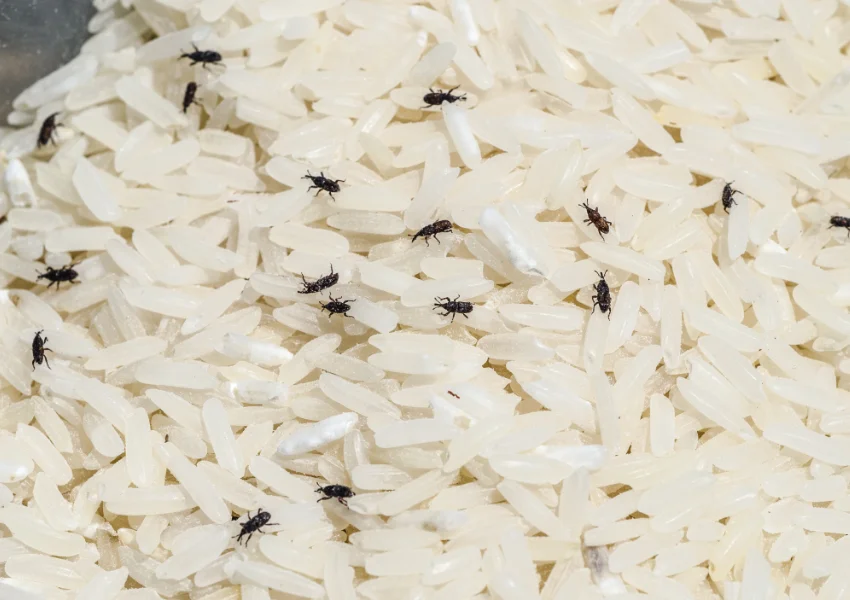
Overhead close-up view showing multiple tiny black rice weevils crawling across a mound of dry white rice.

If your Indiana, Illinois, and Kentucky business stores grain, dry goods, or packaged food, protecting your inventory is already part of the job. Even so, stored product pests don’t give up easily, and they’ll take advantage of any gap in your storage or handling procedures.

These small insects contaminate products, chew through packaging, and wear down equipment, causing more destruction the longer they’re allowed to roam. If you miss the early warning signs, your company will be dealing with failed health inspections, disrupted operations, and reputation damage that’s hard to repair.

Action Pest Control has seen small stored product pest sightings turn into full infestations within a matter of weeks, which is why catching the problem early matters. Each species behaves a little differently, so figuring out exactly what you’re dealing with is the first step toward getting rid of it.

How to Identify the Most Common Stored Product Pests

Facilities that handle dry goods tend to run into the same stored product pests repeatedly, and each one has their own warning signs. Here’s what to look for:
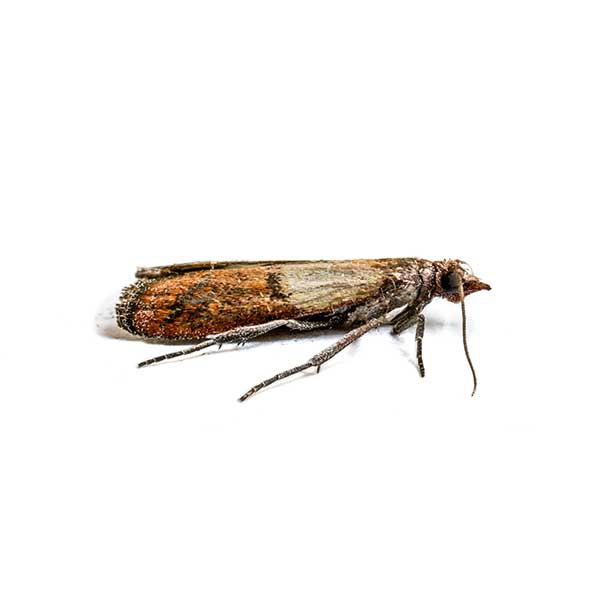
Indian Meal Moth up close against a white background.

Indian Meal Moth

The Indian meal moth is a commonly reported stored product pest in the food industry, showing up wherever grains, cereals, nuts, and pet food are kept. 

Its larvae cause most of the damage, spinning webbing as they feed and leaving sticky clumps behind, often the first sign something is wrong. Adult moths have two-toned wings that are bronze or copper on the outer half and pale gray closer to the body.

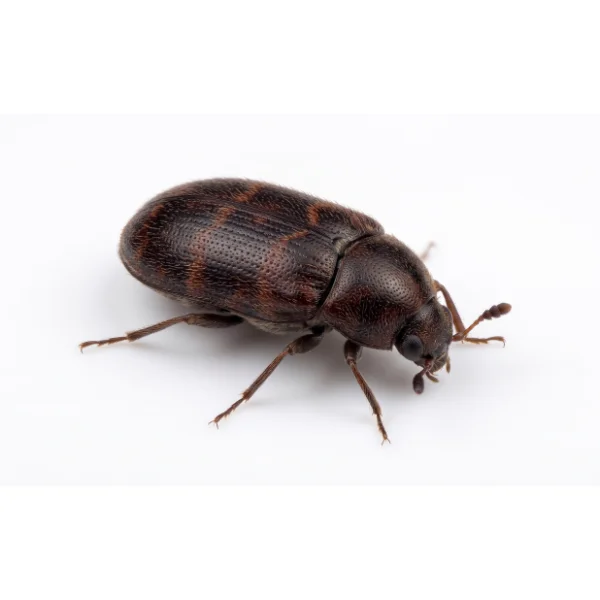
Dark brown Warehouse Beetle against a solid white background.

Warehouse Beetle

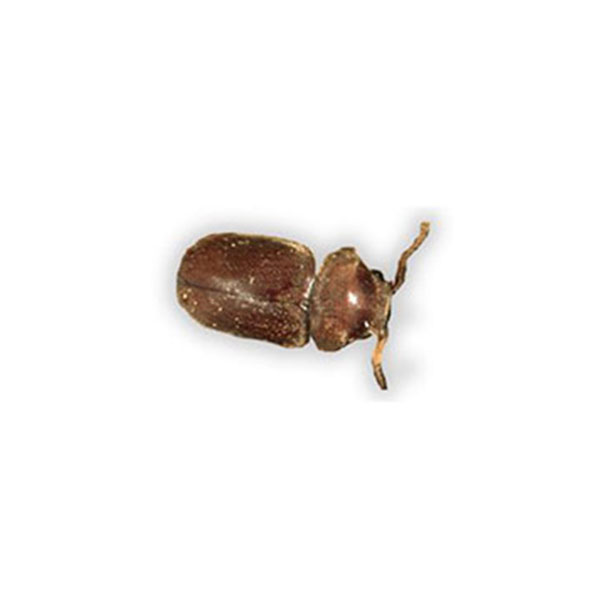
Warehouse beetles settle into the corners of a facility that don’t have much foot traffic and can survive on almost nothing, which makes them hard to fully eliminate. 

Fine hairs on their bodies can contaminate goods or trigger allergic reactions. Look for dark brown to black colored beetles with oval-shaped bodies, sometimes with lighter markings on the wing covers.

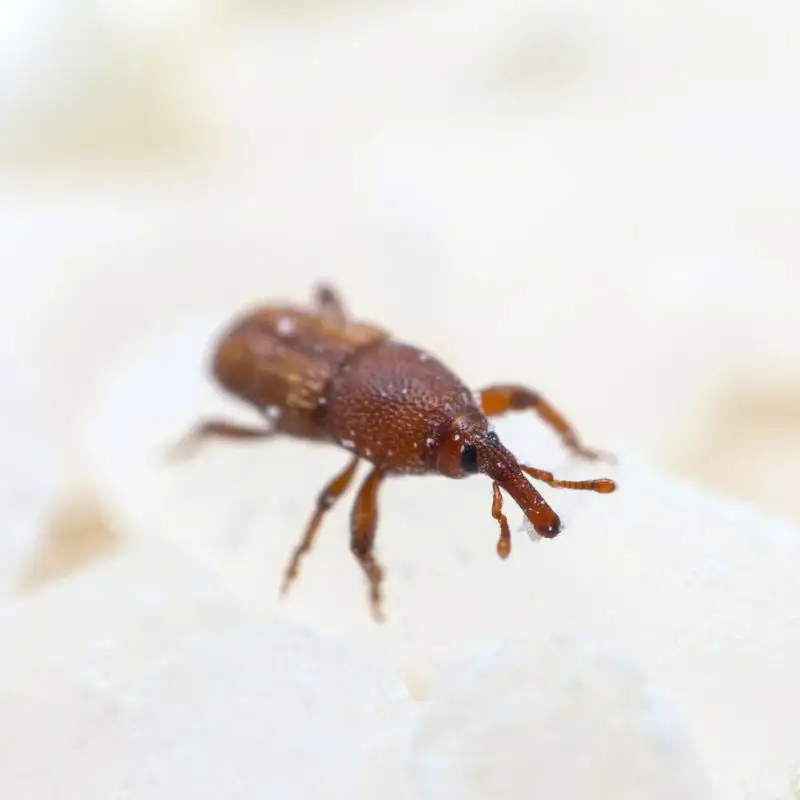
Rice Weevil macro closeup against a white commercial kitchen counter.

Rice Weevil

Despite their name, rice weevils will also feed on wheat, corn, and barley. Most infestations start when a shipment arrives that was already contaminated upon delivery. 

Rice weevils spread through a facility quickly once they’re established, because of their ability to fly. Look for small, reddish-brown beetles with a long, narrow snout.

Macro closeup of a Drugstore crawling across a grain based food.

Drugstore Beetle

The drugstore beetle has one of the broadest diets of any stored product pest, feeding on food products, spices, medications, and other non-food items. The flexibility of their feeding makes them a persistent problem in storage settings. 

You may also find them in dried flowers, decorative items, or packaging that looks fully sealed. Their bodies are reddish-brown in color with a rounded, humped back.

Red Flour Beetle closeup as it crawls against the crumbs of a white food.

Flour Beetle

Flour beetles target flour, cake mixes, cereals, and other milled products, instead of the whole grains that other pests prefer. 

The red flour beetle and confused flour beetle look almost identical, as both are small, flat, and reddish-brown. However, you can tell them apart by their antennae shape and flight ability, since only the red flour beetle can fly.

Merchant Grain Beetle up close against a grey background of a commercial buildings floor.

Merchant Grain Beetle

Merchant grain beetles are attracted to oily foods like nuts, seeds, cereals, dried fruit, and chocolate. They use their thin, flattened bodies to slip through invisible gaps in packaging, which makes them hard to keep out. 

You can identify these small brown beetles by their saw-toothed edge along the thorax.

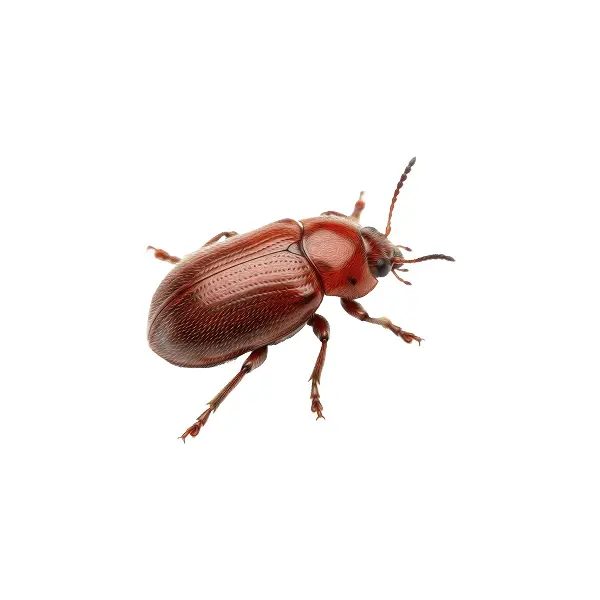
Cigarette Beetle isolated against a solid white background.

Cigarette Beetle

Cigarette beetles are well known for infesting tobacco, but they’ll also feed on spices, dried herbs, cereals, pet food, and certain paper products. 

They share the same rounded, humped shape as the drugstore beetle, and they’re only an eighth of an inch long. Look at their antennae to tell them apart, which are saw-like on the cigarette beetle, and club-shaped on the drugstore beetle.

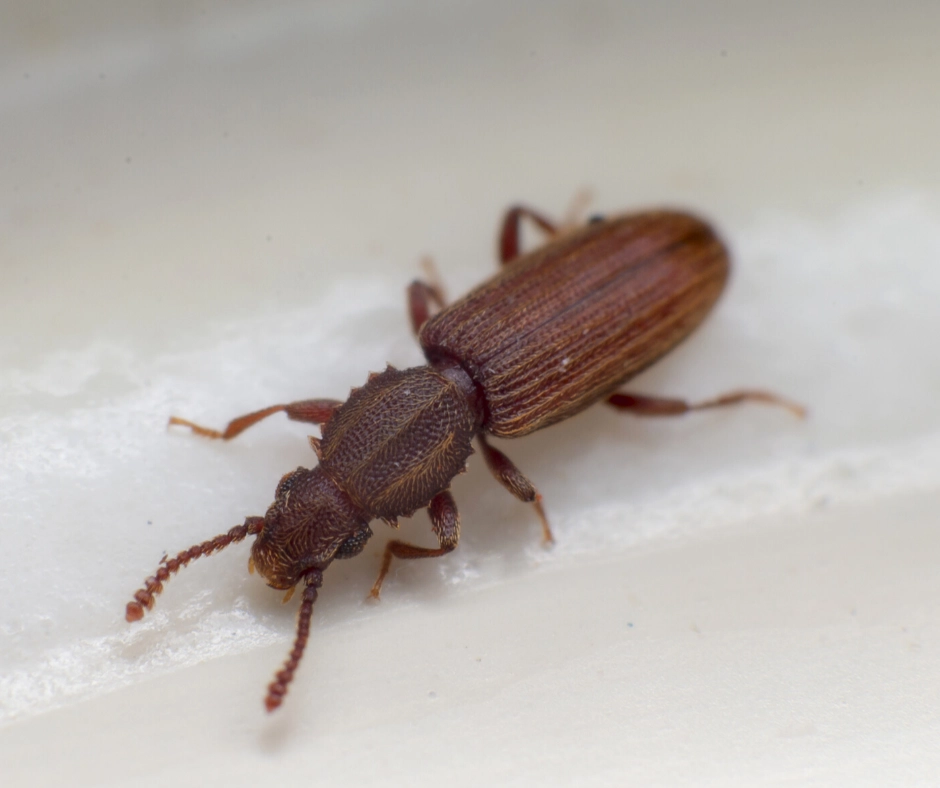
Macro closeup of a Sawtoothed Grain Beetle crawling across a brown/tan grain based food.

Sawtoothed Grain Beetle

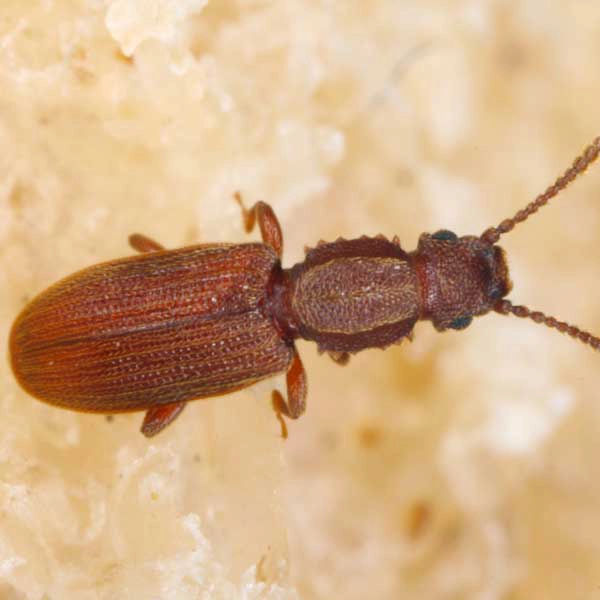
Named for the jagged ridges along its thorax, the sawtoothed grain beetle is closely related to the merchant grain beetle. This means that they share many of their habits and preferred hiding spots. 

You’ll typically find them in flour, cereal, pasta, dried fruit, and sugar. Their flat bodies let them sneak into packaging that seems fully sealed, making them a recurring problem for storage facilities.

Warning Signs of a Stored Product Pest Infestation

The longer a stored product pest infestation goes unnoticed, the more damage it does to your inventory and operations. Catching these warning signs early gives you the best chance of stopping a small problem before it spreads.

  • Damaged packaging: Torn or chewed packaging usually means pests have already gotten inside. 
  • Webbing: Moth larvae leave behind webbing when they’re actively feeding. 
  • Frass: These small droppings confirm pests are feeding nearby. 
  • Unusual odors: A musty or offputting smell can develop as pest activity contaminates stored goods. 
  • Larvae or grubs: Finding larvae near your products means the infestation needs immediate attention. 
  • Live adult insects: Seeing insects moving through storage areas confirms an active infestation.

How to Keep Stored Product Pests Under Control

Consistent care is one of the best defenses against stored product pests, which spread quickly once contaminated goods enter a facility. Routine inspections, ongoing monitoring, and professional support all play a part in stopping small issues before they grow.

Commercial-scale infestations require more than DIY methods or store-bought products can offer. Pest control professionals use fumigation, conventional sprays, and ultra-low volume treatments to target pests at every life stage. Fumigation is especially effective for reaching deep into stored goods and eliminating pests in spots nothing else can access.

Any sign of a pest issue needs quick action. Waiting only gives the damage more time to spread and makes the problem harder to fix. Partnering with stored product pest control specialists is the most reliable way to get things back under control, and Action Pest Control is ready to help.

Why Action Pest Control Is the Right Choice for Your Business

Stored product pests are a challenge for Indiana, Illinois, and Kentucky businesses because they’re so good at staying hidden. Their ability to chew or squeeze into packaged goods means a problem can grow quietly for weeks before anyone notices, and without the right tools and expertise, it will only get harder to manage.

Action Pest Control works with each client to build a clear, effective plan tailored to their facility. Our process follows a structured approach that utilizes identification, prevention, monitoring, and suppression, all guided by Integrated Pest Management (IPM) principles. We provide consistent, long-term protection for your operations and inventory.

Contact Action Pest Control today to schedule a free assessment and see what our team can do for your facility.


Environmentally-Friendly Products Available

70+ Certified Pest Management Professionals

After-Hours Answering Service Available

Trusted by the Community Since 1946

Ready to Schedule Service?

Fill out the form and we’ll be in touch! After hours inquiries will be answered the next business day.

This field is for validation purposes and should be left unchanged.

Latest Blogs

An Indiana homeowner wiping down their coffee table after spraying it with cleaning solution

Why Do Pests Invade Clean Homes? Here’s What You Should Know

Commercial Warehouse Outdoor view showing fenced off facility.

Preventing Bird Activity Around Facility Exteriors

black widow spider in its web

Why Are Spiders More Common Indoors in Winter?

What They Say

Take Action Against Unwanted Pests

Need Pest Control Service?

Give us a call at 877-420-0849!

Or leave your information below and we’ll be in touch shortly. After hours calls will be returned the next business day.