
Integrated Pest Management (IPM) is a practical and sustainable strategy for resolving pest issues in Indiana, Illinois and Kentucky homes and commercial properties. By combining biological controls, structural modifications, and specialized treatments developed by entomologists and pest control experts, IPM targets the underlying causes of an infestation rather than just treating the visible symptoms.
In contrast to traditional extermination tactics, IPM provides enhanced safety, respects the environment, and ensures superior long-term protection for your property.
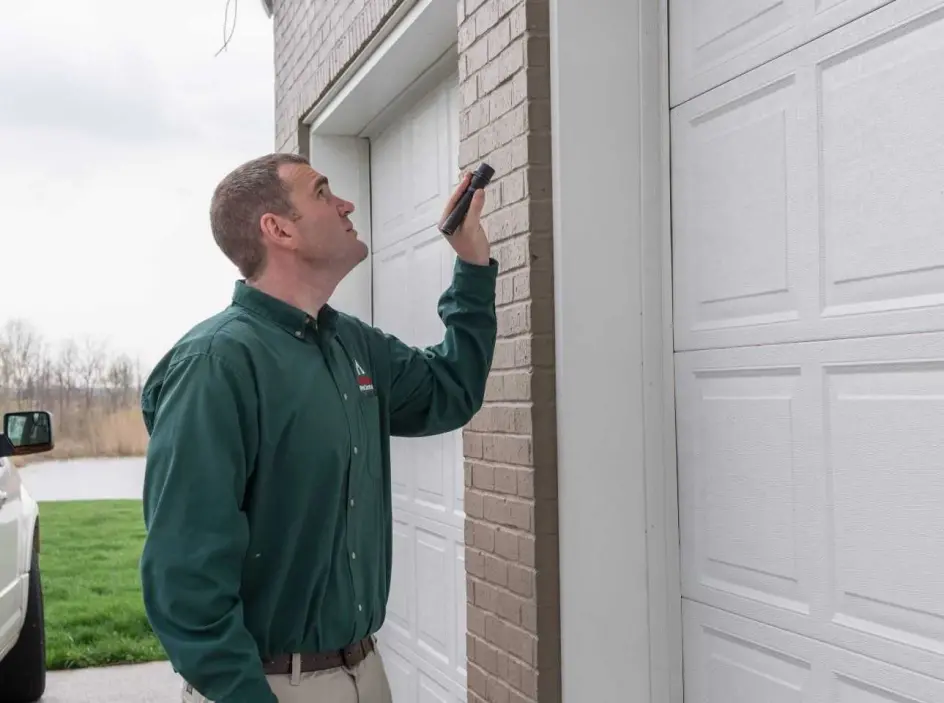
When most people consider pest control, they imagine standard liquid applications or baiting programs. However, effective pest management is much more comprehensive than that. For many common Midwest pests, heavy reliance on traditional chemical treatments is often not the most effective path forward.
The objective of Integrated Pest Management is to establish a durable, long-term pest control solution—not simply the fastest one. To achieve this, our specialists implement a rigorous three-step IPM protocol:
Both IPM and traditional pest control have a role to play in an effective overall strategy. For instance, if a sudden, heavy infestation is making your home uncomfortable or disrupting your place of business, conventional pest control is the best tool for a rapid population knockdown. Once the immediate crisis is managed, IPM is the ideal follow-up to maintain a secure perimeter.
These two methods are frequently deployed in tandem: conventional treatments resolve the active emergency, while IPM is implemented as the follow-up to ensure pests do not return.
Here is how the two strategies compare:
| Integrated Pest Management (IPM) | Conventional Pest Control | |
|---|---|---|
| What's the Main Goal? | Long-term prevention and management. | Immediate eradication of ongoing pest problem. |
| Use of pest elimination products? | As a last resort. Targeted treatments only where they're sure to have maximum impact. | Often uses insecticides and other chemical treatments, including bait stations. |
| Environmental Impact | Low; protects beneficial insects and water quality. | Varies by treatment and pest type, but generally higher impact than IPM. |
| Sustainability | High; pests cannot develop resistance to IPM. | Low; can lead to pesticide resistance over time. |
| Health & Safety | Prioritizes minimal exposure to humans and pets. | Higher risk of exposure, but Action Pest Control technicians take every precaution to minimize risk. |
| Recommended for Homes? | Yes | Yes |
| Recommended for Businesses? | Yes | Yes |
To see the highest success rate with IPM, it is essential for you as a property owner to take a proactive role alongside our team. Think of IPM as a professional partnership. We rely on you to monitor activity between our scheduled visits and stay diligent with the daily maintenance practices that make your home or business less appealing to pests.
Key maintenance practices include:
We are often asked if Integrated Pest Management is better suited for residential or commercial pest control. The answer is both. We recommend an IPM approach for any Indiana, Illinois and Kentucky location where recurring pests have become a persistent issue that you can’t seem to solve through traditional means.
With standard pest control, the goal is to locate the pests and treat them for instant results. With IPM, the goal is a long-term harvest of results; we achieve that by fixing the root cause so the problem stays solved. That makes it a high-value choice for both families and business owners.
If you are ready to implement Integrated Pest Management in Indiana, Illinois and Kentucky, the Action Pest Control team is ready to help. Contact us today to arrange your free pest assessment.
This depends on the specific pest. While you may see a reduction in activity within days, the goal is total removal. Because IPM addresses the source (like food and entry points), it can take a few weeks to fully disrupt the breeding cycle.
The initial site audit and structural fixes (like sealing gaps) are labor-intensive and may have a higher upfront cost. However, because it prevents future infestations, you save money over time by avoiding repeated “emergency” visits.
Most IPM plans involve quarterly or bi-monthly inspections. The focus is on monitoring—checking traps and entry points to catch a problem before it grows into a full-blown infestation.
Usually, no. Because IPM prioritizes non-chemical methods and utilizes targeted baits or gels rather than broad sprays, you can generally remain on-site while the technician works.
Not exclusively. For an immediate crisis, we suggest using conventional pest control first to reduce the population instantly. Once the situation is under control, we transition to IPM to ensure they don’t come back.
No. This is a primary benefit of the approach. By avoiding “blanket sprays” and using pinpoint treatments, IPM protects beneficial insects like bees and prevents toxic runoff that could harm local birds or pets.
While often used interchangeably, there are differences. Green or organic usually refers to the products themselves. IPM is the overall strategy of taking proactive measures like blocking access and removing food sources. While IPM is an environmentally conscious choice, it may occasionally involve “non-organic” treatments where they will have the most impact.



Need Pest Control Service?
Leave your information below and we’ll be in touch shortly. After hours calls will be returned the next business day.