
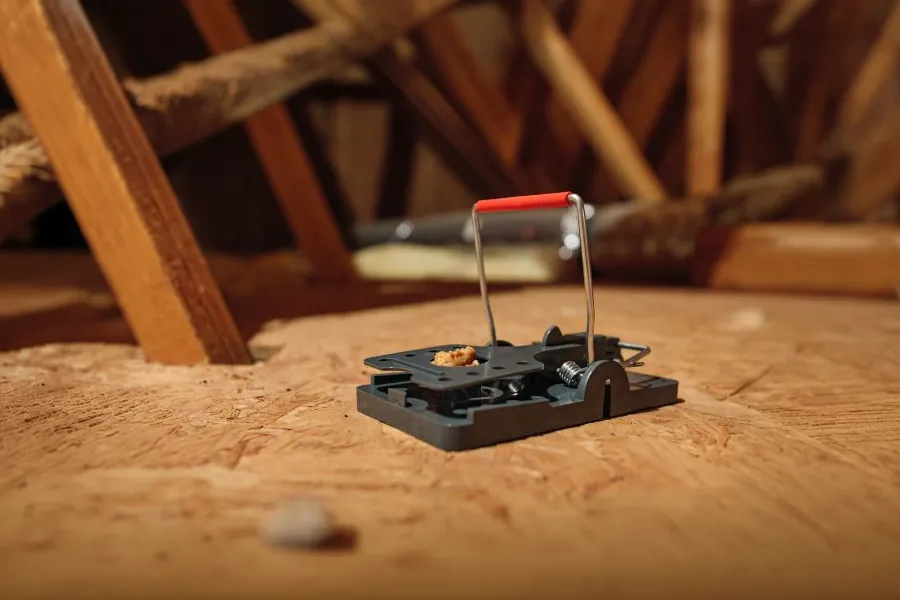
In many Indiana, Illinois and Kentucky homes, efforts to control mice and rat infestations often start with traditional tools such as rodent baits and snap traps. Homeowners frequently question how effective these methods really are and which option works best for their specific situation. These concerns are understandable, given that rodent behavior can greatly influence treatment success.
Learning how each trap functions can help you make more informed choices for managing rodents in your home effectively.
Selecting the Best Rodent Traps for Your Needs
The choice between snap traps and bait stations is not always simple and often depends on several factors unique to each household. Home layout and rodent activity levels can greatly influence effectiveness. Here are some important considerations:
- Identifying the Source of Infestation: Snap traps work best when placed in areas with clear signs of rodent activity, especially along walls and pathways where rodents regularly travel. Bait stations, however, can draw rodents in from a wider area and are useful when you are unsure where the main activity is concentrated.
- Safety Concerns: Both snap traps and bait stations carry some level of risk, but bait stations that use rodenticides can be especially dangerous if accidentally consumed by pets or children. In situations like these, it is important to consult a pest control professional for proper guidance and handling.
- Natural Pest Control Methods: Alongside traps, incorporating broader pest management practices can significantly improve results. Sealing cracks and entry points, keeping kitchens clean, and removing unnecessary clutter all help reduce shelter and food sources. These steps make your property less appealing to rodents and can help prevent future infestations.
How Rodent Snap Traps Work
Snap traps are widely recognized as a traditional tool for controlling rodents in homes and businesses. These traps rely on a pressure-activated mechanism that snaps a metal bar down when a rodent attempts to access the bait. They have remained a common choice for decades due to their straightforward design. This action typically delivers a fatal blow instantly.
Snap traps are simple to use and can be very effective when strategically placed in areas of known rodent traffic.
Are Rat Bait Stations Dangerous?
Rat bait stations are enclosed devices designed to hold poison and attract rodents in a controlled way. They must be used with caution and positioned securely, as the toxic bait inside poses serious risks if accidentally ingested by children or pets.
These stations can be highly effective, since some allow rats to transport poisoned bait back to their nests. This behavior can help distribute the toxin within the colony and potentially eliminate multiple rodents at once.
Professional Rodent Extermination and Rat Baiting in Indiana, Illinois and Kentucky
Rodent problems can be frustrating and uncomfortable, particularly when traps must be set and dead rodents disposed of. The situation can quickly become overwhelming without proper tools or experience. When DIY efforts fall short, professional help may be the most reliable option.
At Action Pest Control, we offer professional rodent control from initial evaluation to cleanup and prevention strategies. Reach out today to reduce stress and maintain a clean, comfortable living space.


